01 Materials Engineering
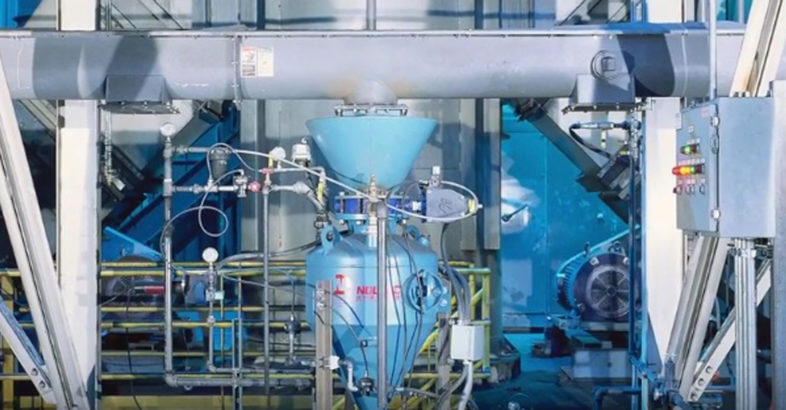
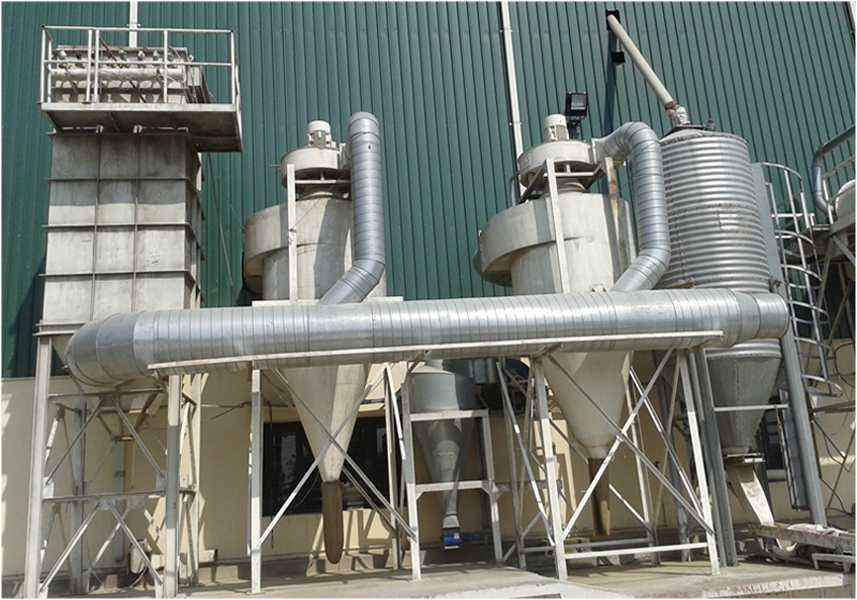
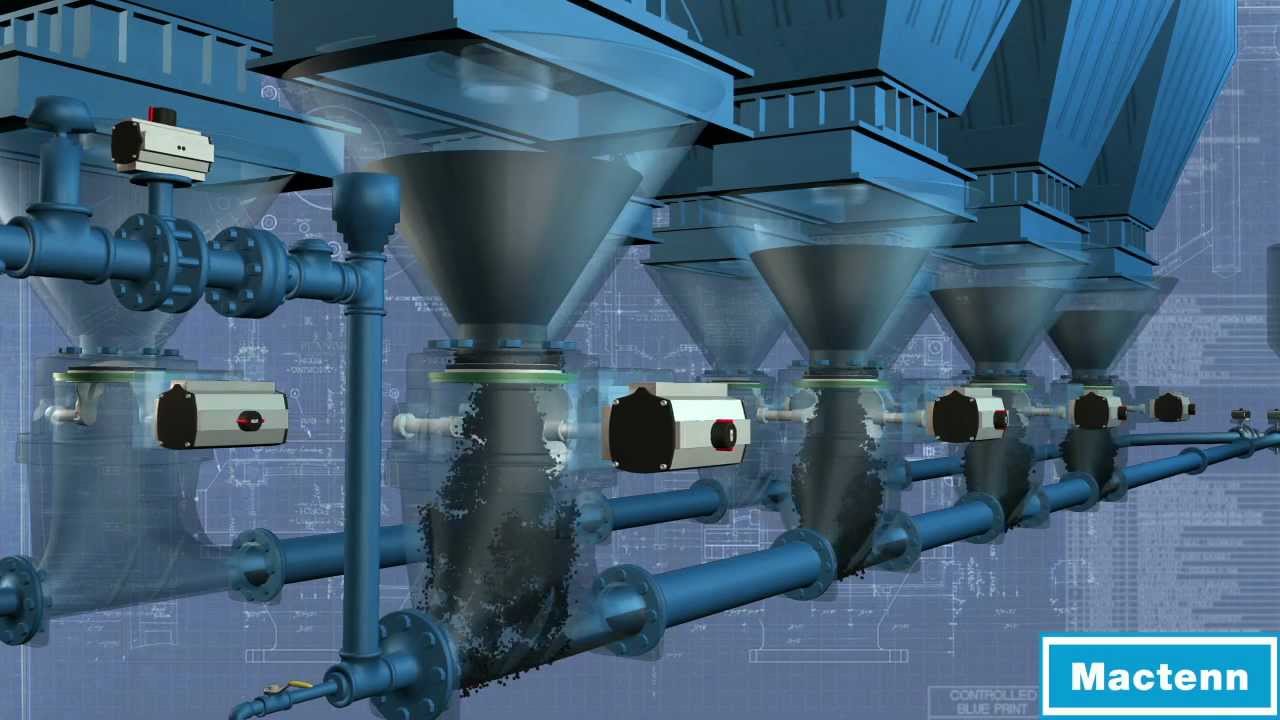
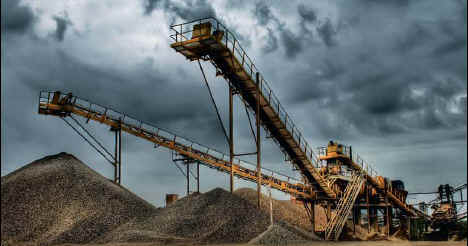
In Materials Engineering, the material scientist or engineer deals with extracting materials and converting them into useful forms. Thus ingot casting, foundry methods, blast furnace extraction, and electrolytic extraction are all part of the required knowledge of a materials engineer. Often the presence, absence, or variation of minute quantities of secondary elements and compounds in a bulk material will greatly affect the final properties of the materials produced. Material Engineering used in various types of industrial purpose like, Ceramics and glasses, Composites, Polymers, Metal alloys, Semiconductors etc.
02 Mechanical engineering
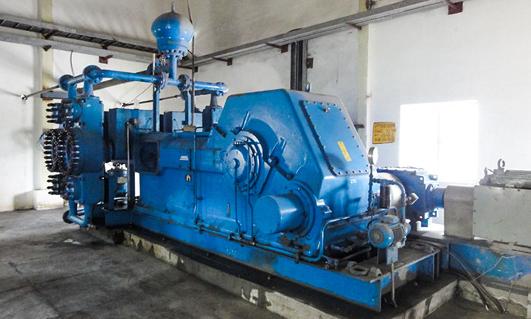
Mechanical engineering is the discipline that applies engineering, physics, engineering mathematics, and materials science principles to design, analyze, manufacture, and maintain mechanical systems. It is one of the oldest and broadest of the engineering disciplines.
03 Power and Energy
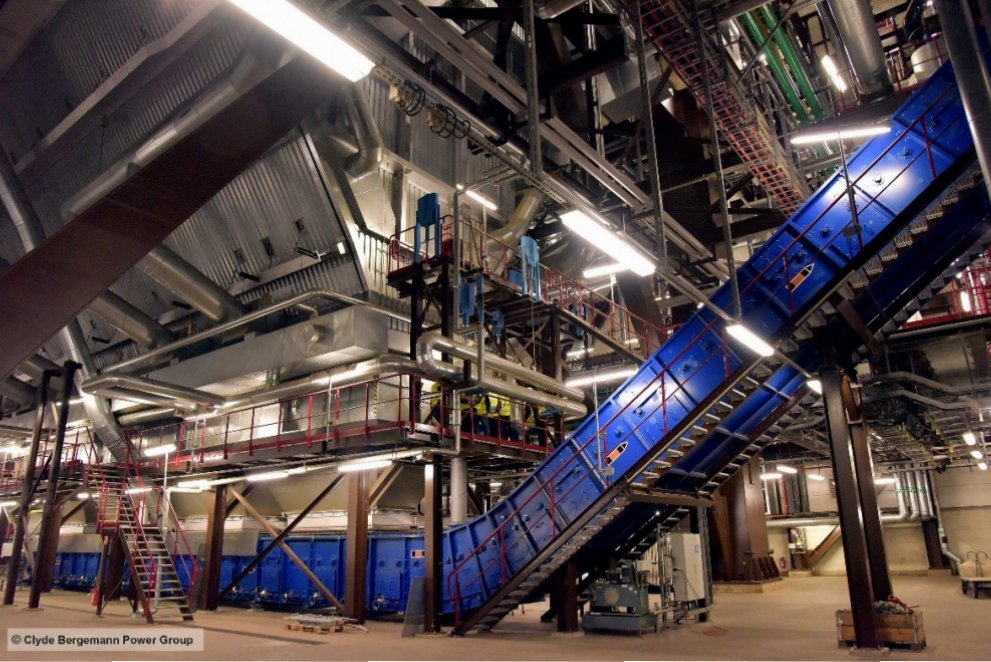
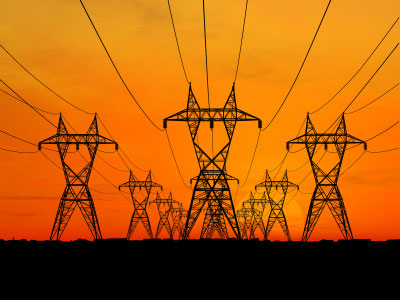
Power is energy transfer per unit of time. Power may be measured at any point in time, whereas energy has to be measured during a certain period Physicists define the word energy as the amount of work a physical system is capable of performing. Energy, according to the definition of physicists, can neither be created nor consumed or destroyed. Energy, however may be converted or transferred to different forms.

04 Agricultural Processing
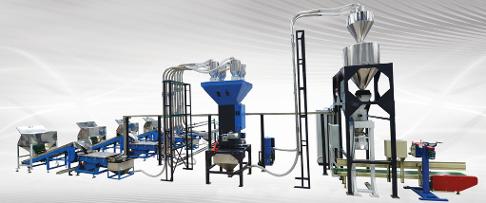
Agricultural Processing the testing of different processing machinery for machinery manufacturers. The Department of Agricultural Processing has a task of teaching the different subjects pertaining to the area of Crop Process Engineering after the harvest of the crops.

05 Chemical Research
Chemical Research is the method in which we do many things like, Chemically modified carbon, ion-selective electrodes for determination, atorvastatin calcium in pharmaceutical preparations, basic research and applications in chemistry and biochemistry.
06 Oil and Lubricants
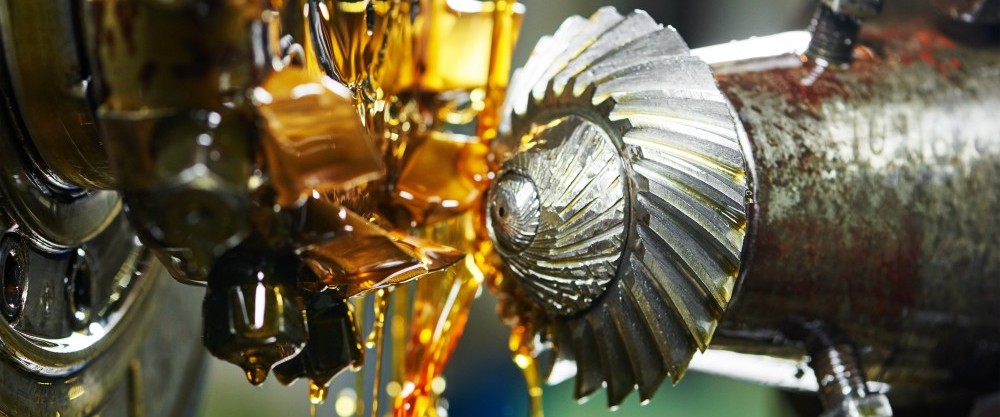
Today, lubricating oil, or lube oil, is the most commonly used lubricant because of its wide range of possible applications. The two basic categories of lube oil are mineral and synthetic. Because the lubricant is more “slippery” than the components it is applied to, it reduces friction. A reduction in friction leads to less wear on components, easier movement, and reduced energy needs of the system. In fact, some well-designed engine oils can actually increase an engine's fuel economy.